
With this easy guide, you can recognize and choose the best Cotton Fabric Types options for your projects.
Cotton is a natural fiber that comes in many different forms. You can find it in all sorts of products, from clothing to home furnishings.
This article will give you information on the different types of cotton fabrics available today.

NOTE: This post contains affiliate links, which means that if you make a purchase using one of the links in this article, I may earn a commission at no extra cost to you (To know more about this, click here.)
- Where does Cotton Fabric come from?
- Properties of Cotton Fabrics
- Cotton Fabric Brief History
- Cotton Fabric Types by Name and Properties.
- Armure Cotton
- Baft Cloth
- Basket Weave Cotton
- Batiste Cotton
- Batting
- Bedford Cloth
- Bird’s Eye Cotton Fabric
- Blackout Drapery
- Broadcloth Cotton
- Brocade Cotton
- Broderie Anglaise
- Brushed Cotton
- Buckram Fabric
- Cable Knit
- Calico Cotton
- Chambray Fabric
- Canvas Cotton Fabric
- Chamois
- Cheesecloth Cotton
- Chenille
- Chino Cotton
- Drill Cotton
- Cotton Lace
- Cotton Twill.
- Corduroy
- Crepe
- Crossweave
- Damask
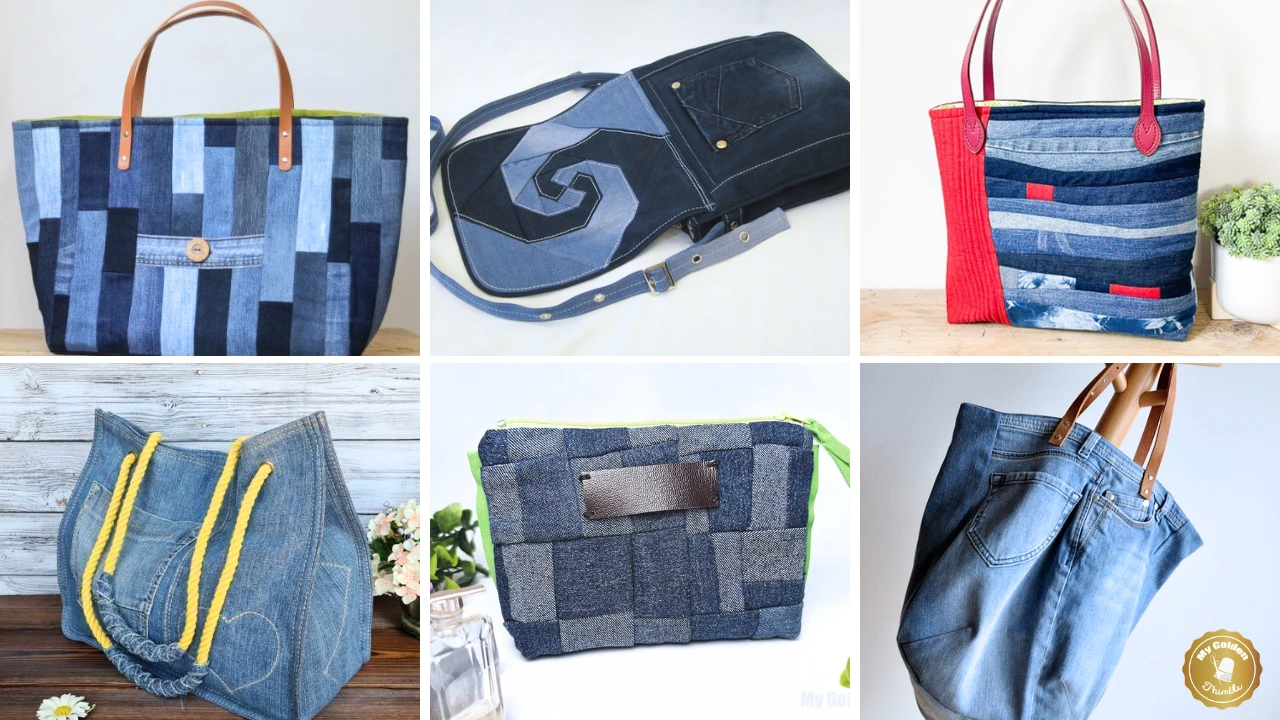
- Denim
- Dotted Swiss Cotton
- Double Cloth
- Double Gauze
- Duck Cloth
- Egyptian Cotton
- Flannel
- Fleece
- French Terry
- Gabardine
- Gauze
- Gingham
- Herringbone Cotton
- Homespun
- Houndstooth
- Jaconet
- Jacquard
- Jersey Knit
- Lawn
- Madras
- Moleskin
- Mull
- Muslin
- Ombre Cotton
- Organdy
- Organic Cotton
- Ottoman
- Oxford
- Pique
- Plaid
- Plisse
- Pointelle Cotton
- Polished Cotton
- Poly Cotton Broad Cloth
- Poplin
- Quilting Cotton
- Rib Knit
- Sateen
- Seersucker
- Shirt Cotton
- Supima
- Terry Cloth
- Ticking
- Toweling
- Twill
- Velour
- Velvet
- Voile
- Waffle Honeycomb
- Window Pane Check
- Wool Cotton
Where does Cotton Fabric come from?

Cotton fabrics come from the fibers that form around the seeds of the cotton plant. The flower at the end of each brand has around 4 or 5 balls of white or cream-ish color fibers.
When the flower is first growing, it turns pink, and about two days later, it will dry up and start forming the ball from which the fibers come up.
According to Cotton Acres, there are three types of cotton plants, the Gossypium hirsutum, Gossypium barbadense, Gossypium herbaceum, and Gossypium arboreum.

Properties of Cotton Fabrics
Cotton fabric is one of the most breathable and lightest fabrics. That is one reason why the cotton fabric has been used to make clothes for so long.
This fabric also has incredible moisture retention and can handle the heat and high temperatures.
These last properties make cotton fabrics great for kitchen wear and clothes or accessories people use near the fire. This is the very reason why manufacturers recommend this type of fabric to make baby clothes too.
Cotton fabrics don’t have that many stretch properties unless they are weaved or knitted with spandex.
One of the downsides of the cotton properties is that this type of fabric is very prompt to tears and rips, even though it has a lot of tensile strength.
Cotton Fabric Brief History
Cotton is one of the oldest fabrics known in the history of clothes.
As for this date, we still haven’t a certainty of the true origins of cotton fabrics used to make clothes.
According to Jeffrey C. Splitstoser, in his research about the Indigo Blue Dye, scientists found the oldest cotton in Peru in the year 6000 B.C. Most researchers have placed the origins of cotton in India in the year 5000 B.C. and in America since at least 5,500 B.C.
Cotton fibers were harvested, cleaned, carded into strands, spun, then dyed to finally weave them into the fabric.
It wasn’t until 1730, thanks to the industrial revolution, that this process changed from manual to a piece of machinery. According to Cotton Acres, this type of machinery could do the work ten times faster than by hand.
Cotton Fabric Types by Name and Properties.

Armure Cotton
Armure is a french term for a small pattern pebbled or embossed effect. If the ribs of the weave are broad, they might have long floats on the back stitch.
Properties of Armure Cotton Fabric:
- Weight: Lightweight.
- Texture: small embossed ribbed effect.
- Type: Woven
- Uses: Shirts, Trousers, and Suits.
Baft Cloth
The word Baft comes from the Persian word “Bafta,” which means “woven.” Baft cloth is a very cheap and lightweight textile similar to muslin fabric used to make mockups. It’s usually blue or undyed, and this fabric typically comes from India.
Properties of Baft Cotton Fabric:
- Weight: Lightweight.
- Texture: Rough texture, loosely separated threads.
- Type: Woven.
- Uses: quilts, casual wear, upholstery, and painting canvas.
Basket Weave Cotton

The basket weave fabric has an interesting texture with square patterns due to the crisscrossed pattern way it is weaved. The unique weaving of this fabric is admired by designers worldwide due to its unique design and texture. This fabric is flexible and very durable.
Properties of Basket Weave Cotton Fabric:
- Weight: Medium-heavyweight
- Texture: Soft and strong texture.
- Type: Woven
- Uses: upholstery, dresses, draperies, outwear.
Batiste Cotton
Batiste cotton is a sheer fabric usually made with linen, though it can also be made with cotton and other blends. This is a high-end quality fabric with a plain weaving that designers use mostly on dresses, underwear, or handkerchiefs. It’s very delicate and requires a special washing treatment.
Properties of Batiste Cotton Fabric:
- Weight: Lightweight.
- Texture: Mildly sheer and soft.
- Type: Woven,
Uses: high-end dresses, underwear, slip dresses and skirts, and handkerchiefs.
Batting
Batting cotton fabric is the middle layer of “filling” made from cotton that seamstresses and quilters use on quilts, blankets, and projects to add warmth to the blanket. This Cotton Fabric Type can have a lot of different weights, from light to heavyweights.
Properties of Batting Cotton Fabric:
- Weight: Lightweight to Heavyweight
- Texture: Soft to the touch
- Type: non-woven
- Uses: quilting, interlining, padding for clothes like jackets
Bedford Cloth
Bedford is a heavyweight fabric that is constructed in a way that leaves a ridged texture on the right side of the material. This cotton fabric type is solid, which is the main reason why people use it on children’s clothing.
Properties of Bedford Fabric:
- Weight: Heavyweight
- Texture: Ridged texture with vertical lines lengthwise
- Type: woven
- Uses: pants, bedding, skirts, drapery.
Bird’s Eye Cotton Fabric

The bird’s eye cotton fabric is a beautiful fabric with a textured horizontal diamond shape in its weaving. This fabric is slightly sheer and used for dresses and pants.
Properties of Bird’s eye Fabric:
- Weight: Heavyweight.
- Texture: Ridged texture with vertical lines lengthwise.
- Type: Woven.
- Uses: pants, bedding, skirts, drapery.
Blackout Drapery
This type of fabric is amazingly soft to the touch and can be used alone as drapery or as a lining for curtains. It is pretty good to prevent the passing of sunlight and its crease, water, and stain resistance.
Properties of Blackout Drapery Fabric:
- Weight: Lightweight.
- Texture: Soft to the touch.
- Type: Non-woven.
- Uses: drapery, window treatments.
Broadcloth Cotton
You can find broadcloth cotton fabric types blended with cotton and polyester. This fabric is very soft and has excellent drapery properties. These qualities make it great for fuller dresses and skirts.
Properties of Broadcloth Fabric:
- Weight: Lightweight
- Texture: Soft to the touch plain weave
- Type: woven
- Uses: bedding, dresses, tablecloth.
Brocade Cotton
Brocade fabric is a heavyweight fabric with a raised design and jacquard weaving. The raised designs are usually flowers, and the fabric can be a silk-cotton blend.
Properties of Brocade Fabric:
- Weight: Lightweight
- Texture: silky and raised texture
- Type: brocade, woven
- Uses: dresses, skirts, pillows, bedding, drapes
Broderie Anglaise

The Broderie Anglaise fabric is a gorgeous fabric, also known as eyelet fabric. This beautiful fabric is originally 100% cotton, used mostly on trimming, but it can also be used for dresses.
Properties of Broderie Angalise Fabric:
- Weight: Lightweight
- Texture: embossed, pierced texture.
- Type: woven
- Uses: dresses, skirts, trimming, lace, shirts, blouses
Brushed Cotton
The Brushed Cotton Fabric type is also called Duvetine or commando cloth. It is flame-resistant, brushed, mate, and is mainly a utility fabric.
Properties of Brushed Cotton Fabric:
- Weight: Medium/Heavyweight
- Texture: embossed, pierced texture.
- Type: woven
- Uses: film and motion pictures, theaters, and to control the light bounce in photography studios.
Buckram Fabric
Buckram is a very stiff cotton fabric with a loose weave. This fabric is soaked in a paste or glue to make it more durable when working with heat. This cotton fabric is seen on book covers, baseball hats, and backpacks.
Properties of Buckram Fabric:
- Weight: Heavyweight.
- Texture: rough to the touch, glossy, stiff.
- Type: woven.
- Uses: book covers, backpacks, baseball hats, and millinery.
Cable Knit
The cable knit fabric is a beautiful textured cotton-poly blend knit fabric. It has a cable knit dimension on the right side of the material and has stretched across the grain.
Properties of Cable Knit Fabric:
- Weight: Lightweight/Mediumweight.
- Texture: soft, textured.
- Type: knit.
- Uses: sweaters, scarfs, cardigans, and shawls.
Calico Cotton
Calico fabric is an excellent textile with many uses, from clothes to sofa covers. This type of fabric comes in many different colors and prints. It is pretty cheap, and it is effortless to sew.
Properties of Calico Fabric:
- Weight: Lightweight
- Texture: soft, plain weave
- Type: woven
- Uses: quilting, crafts, napkins, sewing pillow covers, and sheets.
Chambray Fabric
The chambray fabric is lightweight. It is slightly sheer, soft to the touch, and excellent for scarves and coverups. You can also find chambray fabric made with linen.
Properties of Chambray Fabric:
- Weight: Lightweight
- Texture: soft, sheered
- Type: woven
- Uses: blouses, scarfs, beach coverups
Canvas Cotton Fabric
Canvas textile is a heavyweight woven fabric usually made for outdoor and upholstery purposes. This fabric is highly versatile, and you can use it for furniture, to create solid bags, and even to sew backpacks. Its weaving is closed and tight.
Properties of Chambray Fabric:
- Weight: Medium/Heavyweight.
- Texture: Firm, rough.
- Type: Woven.
- Uses: outdoor upholstery like cushions, chairs, and pillows.
Chamois
The chamois fabric is a solid twill-weaved material. You can find this type of fabric in cotton and linen blends. This fabric is very stain and soil-repellent, making it great for duvet covers and accent pillows.
Properties of Chamois Fabric:
- Weight: Medium/Heavyweight.
- Texture: Plain weave.
- Type: Woven.
- Uses: Draperies, duvet covers, pillows, tote bags, and aprons.
Cheesecloth Cotton

A piece of Cheesecloth is a very thin and lightweight fabric with a plain woven with a very loose weaving between fibers to create a gauze. As its name states, this fabric is used to make cheese. Thanks to the loose fibers, you can filter out the liquids leaving the mix in the cloth.
Properties of Cheesecloth Fabric:
- Weight: Lightweight/Mediumweight.
- Texture: A rough, open loose weave.
- Type: Woven.
- Uses: Cheese making, some blouses or tops.
Chenille
This 100% cotton fabric is a heavy-weight textured textile. Its construction has vertical (lengthwise) rows of fuzzy and soft yarn loops. This fabric is excellent for toweling or robe-making.
Properties of Chenille Fabric:
- Weight: Heavy-weight.
- Texture: Fuzzy and soft, textured.
- Type: Woven.
- Uses: Throw pillows, blankets, robes, home decor, loungewear.
Chino Cotton
Chino fabrics are made entirely from cotton with a twill weaving construction. Initially, this fabric was used exclusively to make military uniforms. You can see it in civilian wear, such as pants or dresses.
Properties of ChinoFabric:
- Weight: Medium weight.
- Texture: Soft and comfortable.
- Type: Woven.
- Uses: Uniforms, trousers, dresses.
Drill Cotton
The Drill fabric has a twill construction similar to denim, with the difference that drill fabric has better quality and is made with the same color threads in the warp and weft. This cotton fabric type is mostly used for utility wear.
Properties of Drill Fabric:
- Weight: Medium weight.
- Texture: Soft and high quality.
- Type: Woven twill.
- Uses: Uniforms, jackets, and shirts.
Cotton Lace
Lace is a very delicate open-weaved fabric. It is made of woven fibers in different types of pattern designs. The designs for lace fabrics or trimmings are usually floral or geometric. You can find lace fabric in many materials, but the best quality lace is made with cotton.
Properties of Lace Fabric:
- Weight: Medium weight.
- Texture: Soft and high quality.
- Type: Woven.
- Uses: Dresses, skirts, shirts, blouses, lingerie, bridal wear, and more.
Cotton Twill.
You can find twill fabrics, mostly in poly-cotton blends. This fabric has a great body and a high-end texture, making it great for pants, skirts, and suits. This fabric has a surface with diagonal ribs.
Properties of Twill Fabric:
- Weight: Light/Medium weight.
- Texture: Crisp.
- Type: Woven twill.
- Uses: Pants, trousers, skirts, suits, dresses.
Corduroy
Corduroy fabric is a beautiful vertical ribbed textured woven material. This fabric is pretty sturdy. A fun fact is that Corduroy fabric was initially named “Corde du Roi,” which translates to Cord of the King.
Properties of Corduroy Fabric:
- Weight: Medium weight.
- Texture: Crisp, ribbed texture.
- Type: Woven.
- Uses: Pants, trousers, skirts, suits, dresses, vests, jumpers, and children’s apparel.
Crepe
This type of fabric has a shiny, soft, silky, and smooth texture. This fabric is perfect for dresses and underwear like slip dresses.
Properties of Crepe Fabric:
- Weight: Lightweight.
- Texture: Rigged, pebbly texture.
- Type: Woven.
- Uses: Accessories, dresses, skirts, blouses, wedding dresses, scarves.
Crossweave

A Crossweave fabric is an exquisite textile with two-tone threads, creating a weaving that makes a great visual effect.
Properties of Crossweave Fabric:
- Weight: Ligth/Mediumweigth.
- Texture: Soft.
- Type: Woven.
- Uses: Dress, skirts, suits, bags.
Damask
A Damask is a very elegant fabric that has been used since ancient times. This fabric was initially made from silk, but nowadays, you can find it made out of cotton and linen. It is weaved with beautiful damask patterns, reversible on the opposite color on the wrong side of the fabric.
Properties of Damask Fabric:
- Weight: Ligth/Mediumweigth.
- Texture: Soft and shiny.
- Type: Woven.
- Uses: Curtains, pillows, cushions, skirts, and some dresses.
Denim

We call Denim fabric to a wove with two tones of thread on a twill weave. Workers first used denim because of its strength and durability. Nowadays is used in casual wear on all kinds of garments.
Properties of Denim Fabric:
- Weight: Medium/Heavyweight
- Texture: Rough and sturdy
- Type: Woven
- Uses: jeans, jackets, skirts, shorts, tops
Dotted Swiss Cotton
Swiss Dotted fabric is a lightweight fabric with small textured dots. You can use this fabric for apparel, but you can also find it on home decor items and accessories. It’s perfect for adding texture to your garments.
Properties of Dotted Swiss Fabric:
- Weight: Lightweight
- Texture: Textured
- Type: Woven
- Uses: skirts, shirts, blouses, bedding, trimming
Double Cloth
Double cloth fabric gives the appearance of two fabric layers that are bound together. This effect is achieved by the type of weaving of this material. This fabric is great for coats and blankets. This type of cotton fabric can be woven or knit.
Properties of Double Cloth Fabric:
- Weight: Lightweight
- Texture: Textured
- Type: Woven
- Uses: skirts, shirts, blouses, bedding, trimming
Double Gauze
Double Gauze cotton is a fabric made with two layers of cotton stitched together invisibly. Each layer of this fabric separately has a very open weave, but when stitched together, they create a great layer of material perfect for making dresses, tops, and all kinds of summer garments.
Properties of Double Cloth Fabric:
- Weight: Lightweight
- Texture: Smooth
- Type: Woven
- Uses: blouses, dresses, skirts, camisole tops, shirts
Duck Cloth
Duck cloth is most commonly 100% cotton or cotton blend. This is a heavy-duty fabric great for outdoor coverings and utility workwear.
Properties of Duck Cloth Fabric:
- Weight: Medium/Heavyweight
- Texture: firm, sturdy plain weave
- Type: Woven
- Uses: hammocks, sandbags, work clothes, outdoor covers, shower curtains
Egyptian Cotton
Egyptian cotton is one of the finest kinds of cotton in the world. Fabrics made with Egyptian cotton are more delicate, softer, and overall better quality. This cotton is still hand-picked, which makes the cleaning and sorting process end up with a high-end fabric.
Properties of Egyptian Cotton Fabric:
- Weight: Medium/Heavyweight
- Texture: soft, smooth
- Type: Woven
- Uses: bedding, pillow, sheets, towels
Flannel

Flannel fabric is a warm, cozy fabric used mainly in winter for blankets and robes. It has insulating properties, and it can retain heat. This makes it the perfect fabric to wear in winter.
Properties of Flannel Fabric:
- Weight: Mediumweight
- Texture: soft, smooth, fuzzy
- Type: twill or plain weave and napped
- Uses: robes, blankets, house accessories, and some garments
Fleece
Fleece is a warm fabric that can be either woven or knitted. This type of fabric has a nap and is super soft to the touch. Fleece is great for making all sorts of winter garments, from hats to clothes.
Properties of Fleece Fabric:
- Weight: Lightweight.
- Texture: Soft, smooth, fuzzy.
- Type: Woven or knitted and napped.
- Uses: Hats, mittens, baby clothes, coats, and jackets.
French Terry
You can find French Terry on blends with cotton fibers. This fabric is very soft to the touch and comfortable to wear. It has about 25% stretch, which makes it perfect for a sweater or cardigan.
Properties of French Terry Fabric:
- Weight: Lightweight.
- Texture: Soft and cozy look.
- Type: Knit.
- Uses: Sweatshirts, sweat pants, cardigans.
Gabardine
Gabardine is one of the most used fabrics in the fashion industry. It has a silky feel, and it’s water resistant. You can find it in all sorts of garments, such as dresses, pants, trousers, skirts, and more.
Properties of Gabardine Fabric:
- Weight: Medium Weight
- Texture: Soft at hand.
- Type: Woven.
- Uses: Dress, suiting, pants, shorts.
Gauze

Gauze is a sheer beautiful fabric with transparency on different levels. This fabric has a very strong but open weave. You can see different types of gauze in dresses, tops, skirts, and blouses.
Properties of Gauze Fabric:
- Weight: Lightweight.
- Texture: Fluid drape and velvety feeling.
- Type: Woven.
- Uses: Dresses, blouses, shawls, scarves.
Gingham
You might recognize Gingham fabrics as picnic blankets. It is a plain woven fabric with a check pattern in two tones. This was a very popular material for everything from dresses and skirts to home furnishings like towels or curtains.
Properties of Gingham Fabric:
- Weight: Lightweight.
- Texture: Smooth. It creases easily.
- Type: Woven.
- Uses: Dresses, picnic blankets, baby clothes.
Herringbone Cotton
Herringbone is a type of pattern that features a “V” shaped small ribbed textured lengthwise. You can get it on 100% cotton.
Properties of Herringbone Fabric:
- Weight: Medium Weight
- Texture: Soft and double-napped.
- Type: Woven.
- Uses: shirts, blouses, blankets, throws.
Homespun
The homespun fabric is a very delicate drapery fabric. It’s very soft and durable, and its stretches easily.
Properties of Homespun Fabric:
- Weight: Lightweight.
- Texture: Plain smooth weave.
- Type: Woven.
- Uses: Quilting cotton, crafts, costumes.
Houndstooth

A Houndstooth fabric is a pattern with two colors formed in checks. It was traditionally in black and white, but now you can find it in all types of colors, materials, and weavings.
Properties of Houndstooth Fabric:
- Weight: Medium to Heavyweight.
- Texture: Smooth.
- Type: Woven, knitted, non-woven.
- Uses: Pants, skirts, blankets, suits.
Jaconet
The jaconet is a very lightweight fabric that people use for clothing and bandages. It has a very open weave. This fabric is still used as a lining for book covers.
Properties of Jaconet Fabric:
- Weight: Lightweight.
- Texture: Plain weave.
- Type: Woven.
- Uses: Bandages, book linings, dresses.
Jacquard
The Jacquard fabric is a very durable wrinkle-resistant textile. Jacquard isn’t printed. Instead, the patterns are woven into the fabrics. These fabrics can come in a blend of sateen or silk.
Properties of JacquardFabric:
- Weight: Medium weight.
- Texture: Plain weave.
- Type: Woven.
- Uses: Skirts, shirts, blouses, bridal.
Jersey Knit
Jersey is a knitted fabric that is used to make clothes. It’s soft to the touch and has a good drapery. It was made initially with wool but is now mainly made with cotton fibers. It’s very comfortable to wear and holds its shape after stretching.
Properties of Jersey Fabric:
- Weight: Medium weight
- Texture: Soft and smooth.
- Type: Knit.
- Uses: T-shirts, sportswear, pajamas, baby clothes.
Lawn
Lawn fabric is a plain woven made from fine carded cotton. This fabric is very soft on the hand, which makes it perfect for making blouses and dresses.
Properties of Lawn Fabric:
- Weight: Lightweight
- Texture: Soft and smooth.
- Type: Woven.
- Uses: Shirts, blouses, dresses, underwear, tops, and tunics.
Madras
The madras fabric comes in a wide variety of prints and is excellent for quilting. The lawn is also great for embroidery. It can have a lot of finishes but is pretty smooth.
Properties of Madras Fabric:
- Weight: Lightweight.
- Texture: Smooth.
- Type: Woven.
- Uses: Quilting.
Moleskin
Moleskin fabric is a beautiful, fuzzy, soft, durable fabric. Its finishing is similar to suede fabric, which is great for skirts, trousers, and outwears. You can also find it very easily on sportswear pants and sweatshirts.
Properties of Moleskin Fabric:
- Weight: Medium weight.
- Texture: Smooth and soft.
- Type: Woven.
- Uses: Sportswear pants, skirts, and outwear.
Mull
Mull fabric is a fabric with a plain and open weave muslin fabric. This fabric comes in a lot of different weights depending on the use you want to give them. For example, medium to heavy-weight mull can be used to make book covers, and lightweight mull can be used as cheesecloth in cooking.
Properties of Mull Fabric:
- Weight: Various weights.
- Texture: Smooth plain weave.
- Type: Woven
- Uses: Book linings, covers, cooking.
Muslin
You can call muslin any fabric, mainly made of cotton, that has an open weave. Muslin fabrics can be found in many different weights and are primarily used to make mock-up garments designs in fashion.
Properties of Muslin Fabric:
- Weight: Various weights.
- Texture: Smooth open weave.
- Type: Woven.
- Uses: Fashion mock-ups and summer garments such as blouses, shirts, and tops.
Ombre Cotton
Ombre fabric is a plain weave made of 100% plain combed cotton. This print type goes from one color to another, blending and grading in the middle.
Properties of Ombre Fabric:
- Weight: various weights
- Texture: smooth open weave
- Type: woven
- Uses: quilting, apparel, and home decor
Organdy
Organdy fabric is a very lightweight fabric commonly used as a garment lining. It’s very crisp but with a very fine weave.
Properties of Organdy Fabric:
- Weight: Lightweight.
- Texture: Slightly sheer, smooth.
- Type: Woven.
- Uses: Lining, aprons, cuffs, and historical costumes.
Organic Cotton
Organic cotton is made using growing and harvesting methods that have a less negative impact on the environment. These fibers avoid the use of toxins and pesticides.
Properties of Organic Cotton Fabric:
- Weight: Various weights.
- Texture: Plain weave, smooth.
- Type: Woven.
- Uses: Clothes, muslins, kitchen wear, and more.
Ottoman
This type of fabric has a lot of upholstery applications. Ottoman materials have rigid and robust construction, making them very durable for these types of projects.
Properties of Ottoman Fabric:
- Weight: Heavyweight.
- Texture: Rigged and velvety.
- Type: Woven.
- Uses: Chairs, cushions, outdoors.
Oxford

The oxford fabrics are made with a basket weave. It is lightweight and somehow crisp yarn-dyed. Also, this material is perfect for shirts, dresses, and tailoring.
Properties of Oxford Fabric:
- Weight: Lightweight.
- Texture: Opaque, smooth.
- Type: Woven.
- Uses: Dresses, skirts, tailoring, shirts, slacks, luggage, suitcases, and home decor.
Pique
Pique fabric is a very lightweight, soft, and drapey fabric with excellent breathability features. This fabric has a lot of ventilation because of the space between the knitted sections.
Properties of Pique Fabric:
- Weight: Lightweight.
- Texture: Textured with small horizontal ovals.
- Type: Woven.
- Uses: Workwear, pants, shorts, coats, jackets.
Plaid
Tartan fabric and plaid are the same types of material. This is a woven fabric with a checked pattern of two or more colors. This fabric is superb for shirts and skirts, though you can see it on all sorts of garments, even suits, and jackets.
Properties of Plaid Fabric:
- Weight: Lightweight.
- Texture: Smooth and soft.
- Type: Woven.
- Uses: Shirts, skirts, suits, pants, children’s apparel.
Plisse
Plisse fabric is a lightweight material that has a wrinkled or creased texture on the touch. This fabric is knitted or woven with many different patterns, prints, and colors.
Properties of Plisse Fabric:
- Weight: Lightweight
- Texture: Fine delicate, with a wrinkled surface.
- Type: Woven or knit.
- Uses: Dresses, shirts, blouses, skirts, accessories, and home decor.
Pointelle Cotton

The Pointelle fabric is a very lightweight knitted fabric with a very open weave. This fabric is a delicate material, so it needs a special washing treatment.
Properties of Pointelle Fabric:
- Weight: Lightweight.
- Texture: Fine delicate with texture.
- Type: Knit.
- Uses: Blouses, cardigans, and sweaters.
Polished Cotton
Polished cotton fabric has a special treatment that prevents it from pilling, fuzzing, mots, and protruding, which are typically formed on knit fabrics.
Properties of Polished Fabric:
- Weight: Lightweight.
- Texture: Soft and smooth.
- Type: Knit.
- Uses: T-shirts, blouses, dresses, underwear.
Poly Cotton Broad Cloth
Poly-Cotton or polycotton are fabrics that have a blend of polyester with cotton. The ratios of each fabric may change depending on the type of fabric. Materials with this blend have more durability and are affordable.
Properties of Poly Cotton Fabric:
- Weight: Lightweight to medium weight.
- Texture: Soft from the cotton and crisp from the polyester.
- Type: Woven or knit.
- Uses: Dresses, bedding, skirts, and outwear.
Poplin
Poplin is a lightweight plain weave with a lot of wrinkle resistance and is easy to care for and clean. The wrinkle-resistant feature of this fabric makes it great for work clothes like dress shirts.
Properties of Poplin Fabric:
- Weight: Lightweight.
- Texture: Smooth.
- Type: Woven.
- Uses: Dresses, coats, jackets, pants, shorts, shirts, and more.
Quilting Cotton
Quilting cotton is a very popular material because it is pretty easy to sew and quite affordable. This plain woven material it’s primarily used for quilting projects, but you can also find it in apparel.
Properties of Quilting Cotton Fabric:
- Weight: Lightweight.
- Texture: Smooth.
- Type: Woven.
- Uses: Quilting, tops, crafts, home decor.
Rib Knit

A rib knit fabric is a knitted fabric that has high and low column textures. This type of cotton fabric has a lot of stretch, and its construction is excellent for keeping you warm. This last feature makes rib knit fabrics great for winter wear.
Properties of Rib Knit Fabric:
- Weight: Lightweight.
- Texture: Smooth.
- Type: Woven.
- Uses: T-shirts, loungewear, and accessories.
Sateen
Sateen is a luxurious fabric with a soft and shiny feeling to the hand. Only one side of these fabrics is shiny, usually the right side. This fabric is perfect for party dresses and accessories.
Properties of Sateen Fabric:
- Weight: Lightweight.
- Texture: Smooth and shiny.
- Type: Woven.
- Uses: Bridal, curtains, dresses, skirts, coats, and jackets.
Seersucker

Seersucker is a fabric with a stripe or checked pattern made from cotton blends. It is breathable, making it great to wear on tops and skirts in summer.
Properties of Seersucker Fabric:
- Weight: Lightweight.
- Texture: Crinkled.
- Type: Woven.
- Uses: Dresses, baby and toddler wear, heirloom, shirts, and blouses.
Shirt Cotton
Shirt cotton is a general term used for different types of fabrics with which you can make dress shirts. They have thigh-woven constructions for durability.
Properties of Shirt Cotton Fabric:
- Weight: Lightweight.
- Texture: Smooth.
- Type: Woven.
- Uses: Dress shirts, tops.
Supima
Supima is an American brand of cotton fabrics. This type of fabric is one of the softest and strongest kinds of cotton in the world. This is a premium fabric with excellent quality.
Properties of Supima Fabric:
- Weight: Lightweight.
- Texture: Smooth.
- Type: Woven.
- Uses: T-shirts, dresses, skirts, blouses, bedding, and more.
Terry Cloth
Terry cloth is very easily recognizable. You might know it as the fabric used for towels. Terry cloth is 100% cotton and has a rough looped texture.
Properties of Terry Cloth Fabric:
- Weight: Heavyweight.
- Texture: Rough.
- Type: Woven.
- Uses: Beachwear, loungewear, washcloths, and baby products.
Ticking

Ticking is a resistant fabric with a twill weave that comes mostly on two vertical color stripes. One of them is usually white or creamed tone. Ticking fabrics are great for upholstery, but you can also find them in pants or other garments.
Properties of Ticking Fabric:
- Weight: Medium weight.
- Texture: Slightly roughed.
- Type: Woven.
- Uses: Pillows, cushions, draperies, duvet covers, and some garments.
Toweling
This type of fabric is used, as its name states, to make different types of towels. It is 100% made from cotton and is highly absorbent and heavyweight. You can find this Cotton Fabric Type in all sorts of different colors.
Properties of Toweling Fabric:
- Weight: Heavyweight.
- Texture: Textured with loops.
- Type: Woven.
- Uses: Toweling, kitchen, and utility.
Twill
Cotton twill is a textile that is made with twill weaving. You can easily spot it by their diagonal parallel ribs patterns. Some examples of twill fabrics are denim, chino, tweed, and gabardine.
Properties of Twill Fabric:
- Weight: Medium weight.
- Texture: Solid and smooth.
- Type: Woven.
- Uses: Apparel, workwear, and pants.
Velour

Velour fabric has a velvet pile on one side of the fabric. This knitted fabric has about 40% stretch across the grain, which makes it great for dresses and skirts. But you can also find it in garments like tracksuits. You will find velour fabrics in polyester blends.
Properties of Velour Fabric:
- Weight: Lightweight.
- Texture: Velvety and soft
- Type: Knit.
- Uses: Tracksuits, leisurewear, dresses, tops, dance wear, and costumes.
Velvet
Velvet fabric is a fancy material with a pile on the right side of the textile. This fabric is very soft to the touch and has a shiny texture. It was made with silk in ancient times, but today it is mainly blended with cotton and viscose.
Properties of Velvet Fabric:
- Weight: Medium weight.
- Texture: Velvety and soft.
- Type: Woven.
- Uses: Dresses, skirts, tops, tunics, dancewear, costumes, and accessories.
Voile
The voile fabric is a perfect material to make summer clothes. This fabric has an excellent breathability property, and it is slightly sheer.
Properties of Voile Fabric:
- Weight: Lightweight.
- Texture: Smooth.
- Type: Woven.
- Uses: Tops, blouses, dresses, children’s clothes, lining, heirlooms, and peasant blouses.
Waffle Honeycomb

This woven fabric is known for its waffle or squared honeycomb texture. It’s versatile and breathable, and you can see it in many products, from beachwear to baby clothes.
Properties of Waffle Honeycomb Fabric:
- Weight: Medium weight.
- Texture: Textured with a waffle pattern.
- Type: Woven.
- Uses: Baby clothes, blankets, beach cover-ups, blankets, and throws.
Window Pane Check

Out of the Cotton Fabric Types, the Windowpane fabric is a type of weave of threads with different colors that form a pattern similar to window panes. The garments commonly have this pattern are shirts, suits, and scarves.
Properties of Window Pane Check Fabric:
- Weight: Lightweight.
- Texture: Smooth.
- Type: Woven.
- Uses: Dresses, blouses, shirts, scarves, and suiting.
Wool Cotton

Cotton wool is the silky fiber that is extracted from the cotton plant. The process takes out all the dirt and seeds from the cotton flower and uses them in their raw form. Cotton wool is mainly used in hospitals for its absorbency, but you can also see them in the beauty industry. They can also come in cotton balls.
Properties of Wool Cotton Check Fabric:
- Weight: Lightweight.
- Texture: Smooth.
- Type: Raw.
- Uses: Medical, crafts, and beauty.
Psst…Is this article helpful to you?? Please support us so we can keep making awesome tutorials for you by buying us a cup of coffee here. We will be forever grateful!
Don’t forget to follow us on Social Media!!


very good writting.
Thank you so much!