
In this tutorial, I’m going to show you how to sew a Hong Kong finish with bias tape, one of my favorite ways to get that clean, polished, high-end look without all the extra work.
If you’ve ever wanted your handmade garments to look just as beautiful on the inside as they do on the outside, you are going to love it.
A Hong Kong finish is not only a quicker way to finish your seams, but it’s also so beautiful, unique, and honestly gives your garment that boutique-quality feel.
Plus, you’ll be saving both time and fabric, which we love around here.

NOTE: This post contains affiliate links, which means that if you make a purchase using one of the links in this article, I may earn a commission at no extra cost to you (To know more about this, click here.)
What Is a Hong Kong Finish?
Let me ask you something… have you ever started a sewing project, looked at the instructions, saw it required a full lining, and immediately thought, “yeah… maybe not today”?
Because same!
Linings can feel like a whole extra project, and sometimes you just want a faster, simpler option.

The Hong Kong finish has been around for decades (so yes, she’s timeless), and it’s a way to finish the raw edges of your seams using bias tape and a stitch-in-the-ditch seam.

Instead of seeing raw edges or bulky finishes, everything is clean, neat, and honestly gives high-end vibes.
And I love that it’s not just functional, it actually becomes part of the design.
One of the biggest reasons I love this technique is that it saves time and fabric. You don’t have to fully line your garment, which already feels like cutting your workload in half.
Less fabric, less time, same beautiful result?
Yes please!!
When to Use a Hong Kong Finish
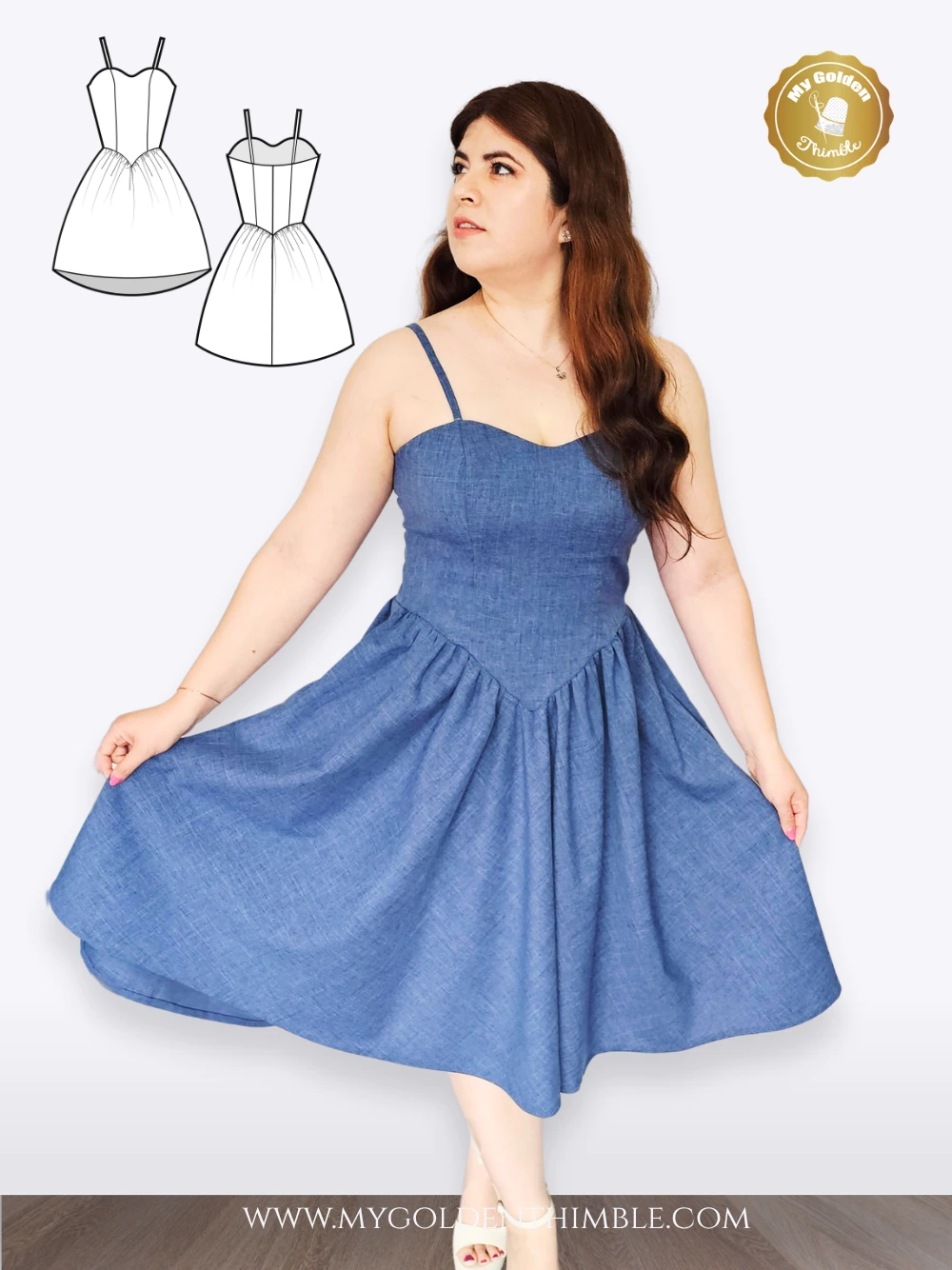
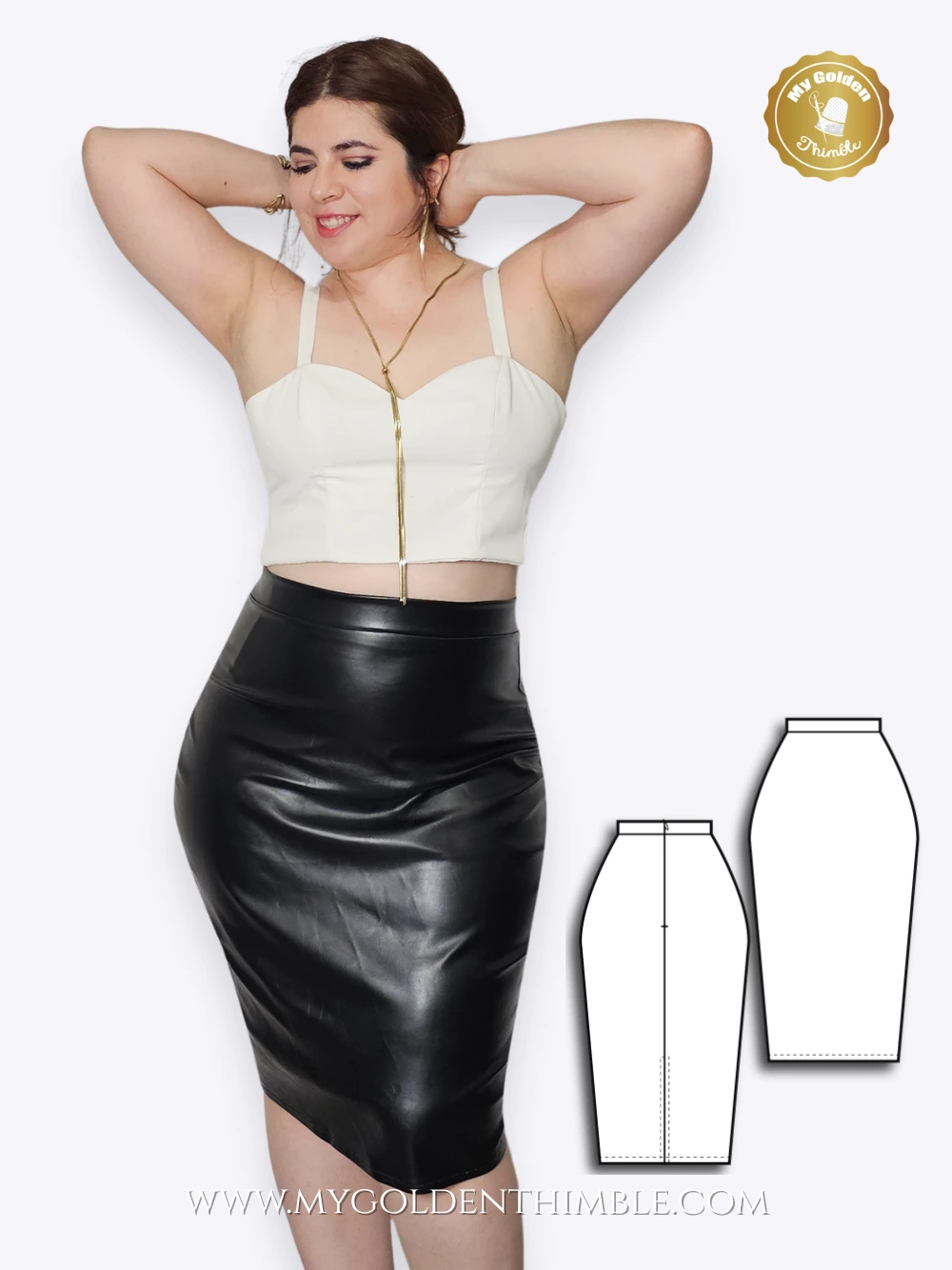
A Hong Kong finish really shines when you’re working on garments that don’t have a lining, but you still want the inside to look clean and polished.
Think of pieces like jackets, skirts, dresses, or even trousers.

I personally reach for this technique when I’m using medium to heavier fabrics like linen, cotton, wool, or tweed.
Those fabrics tend to have more structure, so the bias tape lays nicely without feeling too bulky, and it gives the seams a really crisp, finished look.
That said, it’s not always the best option for every project. If you’re working with very lightweight or sheer fabrics, the added layer of bias tape can feel a bit heavy and might not sit as smoothly.

In those cases, a french seam finish might work better.
Pro Tips for the Best Results
- Press at every step (yes, every step)
- Use lightweight bias on thick fabrics to reduce bulk
- Go slow around curves
- Test on scrap first
- Match or contrast thread intentionally
More Seam Finishes:


How to Sew a Hong Kong Finish (Step-by-Step)
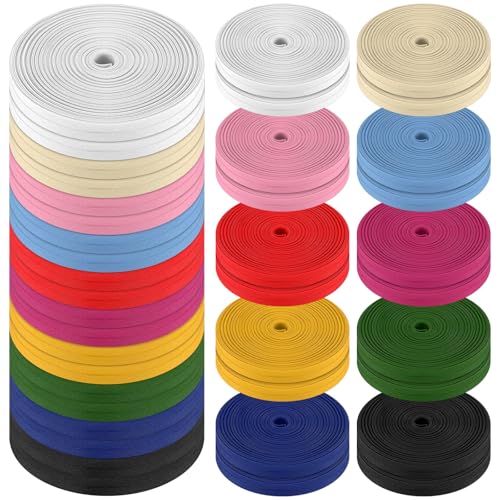
Before we start, let’s quickly go over the materials you’ll need. Nothing too fancy here.


Step 1: Prepare Your Bias Tape
Start by getting your bias tape ready.

I personally like to use homemade bias tape for this because I can choose a lightweight but sturdy fabric, which helps keep the finish nice and thin. Store-bought bias tape can sometimes feel a bit bulky once it’s sewn, so this really makes a difference.
Cut your bias strips about 1 ¼ inch wide, and for this technique, don’t fold them, just leave the strip flat.
Step 2: Sew Your Garment First

Before adding the Hong Kong finish, make sure your garment is already constructed.
Go ahead and sew your seams as usual. This finish is added after, directly onto the seam allowances.
Step 3: Attach the Bias Tape

Take your bias strip and place it right sides together with the raw edge of your seam allowance.
Pin it in place, then sew along the edge using about a ¼ inch seam allowance (or slightly less if your seam allowance is narrower).
Step 4: Press the Bias Tape Open

Once sewn, press the bias tape away from the seam allowance.

This step helps set the stitches and makes everything easier to fold neatly in the next step.


Step 5: Wrap the Raw Edge
Now, fold the bias tape over the raw edge, wrapping it completely to the back so it fully encases the seam allowance.
Press it flat and use pins if needed to keep everything in place.
Step 6: Stitch in Place

Stitch right next to the fold of the bias tape to secure it.
You can use a stitch-in-the-ditch presser foot for a cleaner finish, or simply edge stitch if that’s what you prefer.
The goal is to get this stitch to get lost in the fold, so it seems there are no seams here!
Step 7: Trim the Excess

And finally, flip your seam over and trim away any excess bias tape on the back. Depending on how wide your strip was to begin with, you might not need to trim much—or at all.
And that’s it. Once you do one seam, the rest go by pretty quickly, and the inside of your garment is going to look so clean and polished.
Final Thoughts
And that’s it! Once you try a Hong Kong finish, you’ll see how quickly it comes together and how much it elevates your garment.
If you give this technique a try, I’d love to see it—feel free to share your project or tag me so I can check it out. And don’t forget to save this tutorial for your next sewing project, because this is definitely one you’ll want to come back to.



Oh how I wish I had know about this way to finish. I pressed seams raw edge and stitched each side. Looked nice but knew it could have been better. This was a fantastic tutorial .
Thanks so much for taking the time to show me how to elevate the insides of garments.
Isn’t neat?!!? It looks pretty clean!!