You just got a new leather item that now feels too tight or too loose, and you are wondering, Does Leather Shrink?
If that is or has ever been you, then this article is just what you need!
Here, I am going to explain all you need to know about Leather Shrinkage and even How to Shrink Leather items the right way.
From fashion to furniture, automotive to sports, leather’s versatility and timeless appeal make it a cherished material in various industries and applications around the globe.
That is why if you have leather goods, you must learn how to care for and manipulate them so they fit you and last for many years to come.
Let’s get started.

NOTE: This post contains affiliate links, which means that if you make a purchase using one of the links in this article, I may earn a commission at no extra cost to you (To know more about this, click here.)
Understanding Leather as a Material
Leather is an awesome material! It’s used in so many items, like fashion and furniture. The best part is it doesn’t wear out easily, so it lasts a long time. No wonder people love it so much!
This material has been around for many centuries since it’s pretty durable, flexible, and has a stunning aesthetic appeal.
But where does leather come from?

Leather has all these amazing properties because it is a natural material that comes from the skin of certain animals (cows, sheep, goats, and pigs) through a process called tanning.
Tanning is super important in turning animal hides into leather you can actually use. This keeps the leather from rotting and gives it cool properties like being strong, flexible, and resistant to decay.
After tanning, the leather goes through more processes like dyeing, finishing, and conditioning to make it look and work even better.
Then, you end up with a material that can be used in lots of different industries.
Does Leather Shrink?
Leather can change its size over time because it’s a natural material. There are a couple of reasons why leather might shrink or stretch, such as exposure to moisture, heat, or lack of care.
What makes leather shrink?
If you love your leather items and want to keep them looking great for a long time, there are some simple things that you can do to minimize the risk of shrinkage or stretching.
So, go ahead and follow these simple care, storage, and usage practices to preserve the quality and appearance of your beloved leather items!
Here are some of the reasons why leather might shrink.
1. Moisture
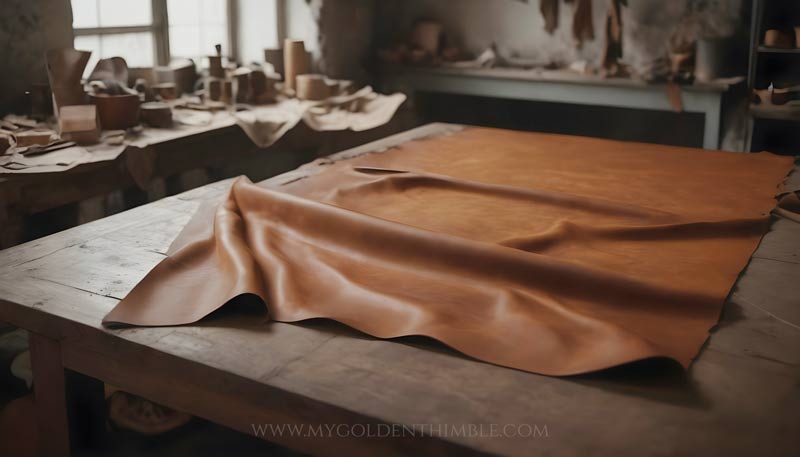
When leather is exposed to too much moisture, like rain or immersion in water, it can absorb water and swell. On the other hand, if leather is exposed to dry conditions for a long time, it can lose moisture and become stiff and shrink.
2. High Temperatures
When leather is exposed to high temperatures, let’s say you left it under the windshield of your car on a hot day, it can shrink because the fibers inside it contract. On the other hand, if it gets too cold, the leather can become rigid and start to crack.
3. Finishing Processes
If leather is not tanned or finished properly, it might shrink or stretch due to inconsistencies in its structure and composition. It’s always best to make sure that your leather comes from a good quality brand to avoid any unwanted surprises!
4. Bad Storing
To avoid any damage, it’s best to store leather items in a cool, dry, and well-ventilated area. Storing them in direct sunlight, high humidity, or cramped spaces can cause the leather to deteriorate faster and may cause it to stretch or shrink unevenly. So, keep them safe and well-maintained by storing them in a suitable place!
5. Usage and Wear
Leather clothing, shoes, and accessories that are frequently bent, stretched, or pressured during use may stretch or deform over time.
By understanding what can cause these changes in leather, you can take proactive steps to protect your leather goods and keep them looking fantastic.
How to Shrink Leather?
By following these steps carefully, you can shrink leather items to achieve a better fit or desired shape.
When it comes to shrinking leather, it’s always better to be safe than sorry.
If you’re feeling unsure or uncomfortable, don’t hesitate to reach out to a professional leather expert for some help. They can give you the guidance you need to complete the task with confidence!

- Clean the Leather: Clean the leather thoroughly with a leather mild cleaner and soft cloth before shrinking. Let it dry completely.
- Moisten the Leather: Lightly dampen a clean cloth with tap lukewarm water (between 98 and 105 degrees Fahrenheit, 36.5 to 40.5 Celsius) and gently rub it over the leather you want to shrink.
- Apply Heat: Apply gentle heat to damp leather to encourage shrinkage. Dry under direct sunlight or use a low/medium heat hairdryer (with a cloth barrier between iron and leather). Keep it at a safe distance to avoid scorching.
- Monitor the Shrinkage: As you apply heat to the leather, keep a close eye on the shrinking progress. Avoid overheating the leather, as this can lead to excessive drying and damage.
- Allow the Leather to Cool and Dry: Once you’ve achieved the desired shrinkage, allow the leather to cool and dry naturally. Avoid handling or stretching the leather while it’s still warm, as it may be more susceptible to damage in its softened state.
- Condition the Leather: Apply a leather conditioner after shrinking to restore moisture and suppleness.
- Repeat as Necessary: Depending on the extent of shrinkage needed, you may need to repeat the process multiple times until you achieve the desired results. Be patient and take care not to over-shrink the leather.
Alternative Methods for Adjusting Leather Size

If you need to adjust or reduce your leather goods but don’t feel that good about using the damping method by yourself or others, there are still some things you can do.
These options are minimal risks for your leather clothes and accessories! So, consider them before you try to shrink the leather by yourself.
Professional Alteration Services:
Consider taking your leather items to a professional tailor or leatherworker who specializes in alterations. These experts have the skills and equipment to adjust the size of leather clothing, bags, or accessories according to your specific measurements and preferences.
Adding or Removing Material:
Depending on the design and construction of the leather item, it may be possible to add or remove material to achieve the desired fit. For example, a skilled leatherworker can add extra panels, inserts, or gussets to expand the size of a leather garment, or they can carefully remove excess material to reduce its size.
Using Adjustable Accessories:
Opt for leather accessories that offer adjustable features, such as belts, straps, or buckles. These items allow for easy customization of size and fit, making them versatile and suitable for various body types or preferences.
Styling Tricks:
Embrace the size!! There is no reason of why you shouldn’t take advantage of your garment and use styling tricks to make it look interesting. In some cases, layering clothing or strategically styling leather items can create the illusion of a better fit or adjust the appearance of the size. Experiment with different outfit combinations to find creative ways to wear your leather pieces comfortably.
Does Leather Shrink FAQ’s
1. Does leather shrink when you wash it?
Generally, yes. Washing leather can cause it to absorb water, leading to temporary swelling and potential shrinkage as it dries. It’s essential to follow proper care instructions and avoid excessive agitation or soaking to minimize shrinkage.
2. What temperature does leather shrink at?
The temperature at which leather begins to shrink can vary depending on factors such as the type of leather and its processing. In general, heat can cause leather to shrink, with noticeable effects becoming more apparent at higher temperatures.
3. Does leather shrink in a tumble dryer?
Yes, leather can shrink in a tumble dryer, especially if exposed to high heat settings. It’s advisable to air dry leather items instead to minimize the risk of shrinkage and damage.
4. Does leather shrink when wet?
When leather gets wet, it absorbs water, which can lead to swelling, changes in texture, and potential shrinkage as it dries. Proper drying techniques should be employed to prevent damage and maintain the integrity of the leather.
5. What will shrink leather?
Exposure to moisture, heat, or improper drying techniques can shrink leather. Additionally, excessive stretching, agitation, or pressure during use can contribute to changes in leather size over time.
6. How much does leather shrink?
The amount of shrinkage experienced by leather can vary depending on factors such as the type of leather, its processing, and the extent of exposure to shrink-inducing conditions. Minor shrinkage is typical, but significant changes in size may occur under extreme circumstances.
7. Does leather shrink when frozen?
While freezing leather can temporarily stiffen it, causing minor size changes, significant shrinkage is unlikely to occur solely from freezing temperatures.
8. Does leather shrink in heat?
Yes, leather can shrink when exposed to heat, especially at higher temperatures. Care should be taken to avoid excessive heat exposure to prevent damage and maintain the integrity of the leather.
9. Does leather shrink in cold?
Cold temperatures alone are unlikely to cause the leather to shrink. However, extreme temperature fluctuations can affect leather’s properties and potentially contribute to changes in size over time.
10. How to shrink leather gloves?
To shrink leather gloves, dampen them with water and apply heat using a hairdryer while stretching them. Repeat until you achieve the desired fit. Air dry naturally and condition the leather.
To sum it up, knowing about leather shrinkage can clear up any misunderstandings you may have about it. By understanding its unique properties and what affects its size, you can easily make the necessary adjustments.
Whether you decide to shrink your leather or leave it as is, just remember to be careful and seek help from a professional if you need it.
Don’t forget to follow us on Social Media!!